Why Insulation Matters in Metal Buildings: Choosing the Right Solution for Every Application
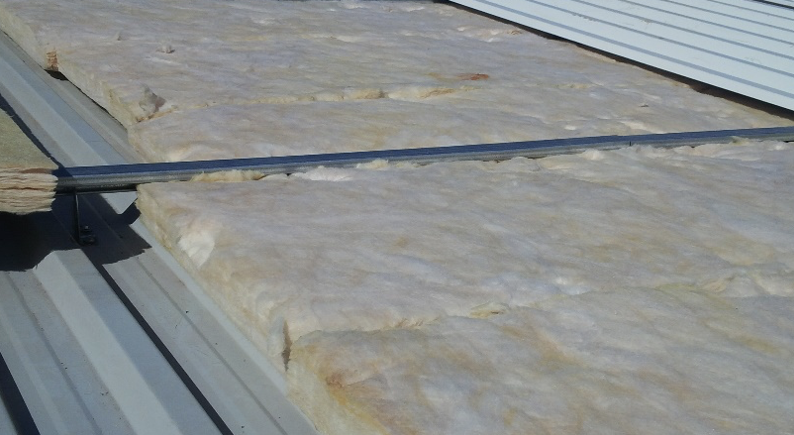
Metal buildings are among the most versatile structures used today. From factories and warehouses to agricultural facilities, retail outlets, aircraft hangars, distribution centres, and workshops, metal construction offers speed, strength, and cost-efficiency. However, the performance of a metal building is heavily influenced by one often-overlooked component: insulation.
Without proper insulation, a metal building can become excessively hot during summer, uncomfortably cold in winter, noisy during rainfall, and vulnerable to condensation-related damage. The right insulation transforms a metal structure from a simple shell into a comfortable, efficient, and productive environment.
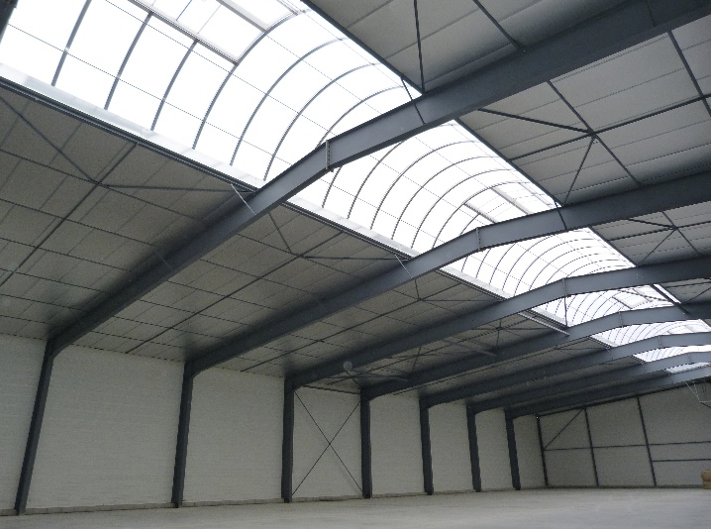
The Unique Challenge of Metal Buildings
Unlike traditional masonry or concrete construction, metal is highly conductive. This means heat moves rapidly through the building envelope. During hot weather, solar radiation can cause roof and wall temperatures to rise significantly, transferring heat into the occupied space. During colder conditions, valuable indoor heat can escape just as quickly.
This creates several challenges:
- Increased energy consumption
- Indoor temperature fluctuations
- Condensation and moisture problems
- Reduced occupant comfort
- Excessive noise transmission
- Potential damage to stored goods and equipment
Quality insulation addresses all of these issues simultaneously.
Thermal Performance: Keeping Heat Where It Belongs
One of the primary functions of insulation is controlling heat transfer.
Factorylite® insulation is specifically designed to resist conductive and convective heat flow, providing measurable thermal resistance that helps maintain stable internal temperatures. According to the Factorylite® performance data, thermal resistance values (R-Value) range from R-1.28 for 50 mm thickness up to R-3.46 for 135 mm thickness.
In practical terms, this means:
- Cooler interiors during summer
- Reduced heat loss during colder months
- Lower HVAC operating costs
- Improved occupant comfort throughout the year
Unlike radiant barriers, which rely largely on reflectivity and air gaps to perform, bulk insulation such as Factorylite® continues to provide thermal resistance regardless of whether perfect air gaps are maintained.
Preventing Condensation in Metal Buildings
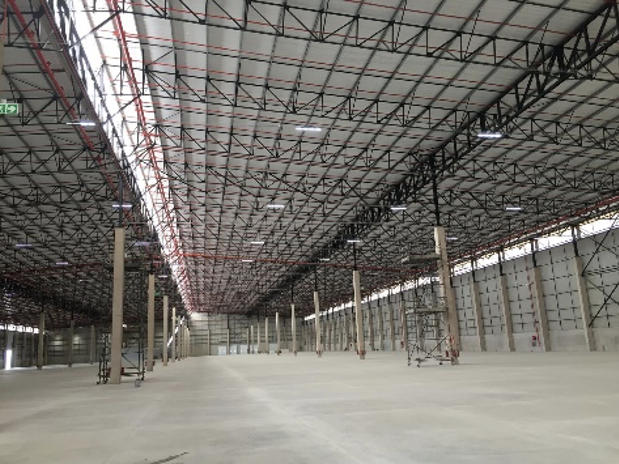
Condensation is one of the most common problems experienced in metal structures.
When warm, humid air comes into contact with a cooler metal surface, moisture forms. Over time, this can lead to:
- Dripping roofs
- Corrosion of metal components
- Damage to inventory or equipment
- Mould growth
- Reduced structural lifespan
Properly installed insulation helps maintain more stable internal surface temperatures and reduces the likelihood of condensation forming on roof sheeting and cladding. This is particularly important in industrial and agricultural applications where moisture can affect products, machinery, and livestock.
Different Building Types Have Different Requirements
Manufacturing Facilities and Factories
In manufacturing environments, temperature control has a direct impact on productivity. Excessive heat can create uncomfortable working conditions, increase fatigue, and affect equipment performance.
Factorylite® provides thermal comfort while also offering excellent sound absorption, helping create a safer and more productive working environment. Its acoustic performance (NRC approximately 0.70) helps reduce noise levels generated by machinery and operations.
Warehouses and Distribution Centres
Warehouses often contain temperature-sensitive inventory. Poor insulation can lead to heat build-up beneath roof sheets, resulting in higher cooling costs and potential damage to stored goods.
Proper insulation helps protect inventory while improving energy efficiency across large floor areas.
Agricultural Buildings
Poultry houses, dairy facilities, feed storage buildings, and other agricultural structures face unique challenges relating to temperature and moisture.
Maintaining stable temperatures can improve livestock welfare and productivity while reducing stress caused by extreme environmental conditions. Effective insulation also helps minimise condensation, which is critical in moisture-rich agricultural environments.
Commercial and Retail Buildings
Customers and employees expect comfortable indoor conditions regardless of the weather.
In retail environments, insulation contributes to:
- Consistent temperatures
- Reduced air-conditioning loads
- Improved customer comfort
- Lower operating expenses
A comfortable shopping environment often translates into longer customer dwell times and a better overall experience.
Aircraft Hangars and Workshops
Large-span structures such as hangars and workshops are notoriously difficult to heat and cool.
Insulation helps minimise extreme temperature swings while providing acoustic benefits. This is particularly valuable where staff spend extended periods performing technical or maintenance work.
The Acoustic Advantage
Many people associate insulation only with temperature control, but acoustics are equally important.
Metal roofing and cladding can amplify external noise from:
- Rainfall
- Hail
- Wind
- Machinery
- Industrial operations
Factorylite®’s glasswool construction provides significant sound absorption, helping reduce reverberation and internal noise levels. In contrast, radiant barrier systems offer little to no acoustic benefit.
For factories, workshops, schools, churches, sports facilities, and commercial buildings, improved acoustics can have a meaningful impact on comfort and usability.
Fire Safety Should Never Be Compromised
When specifying insulation for metal buildings, fire performance is a critical consideration.
Factorylite® is classified as non-combustible, with a glasswool core that complies with SANS 53501 (South Africa’s reaction-to-fire classification standard for building and thermal insulation products). The product does not contribute fuel to a fire, making it particularly suitable for industrial, commercial, and warehouse applications where fire protection is a priority.
This is an important distinction when comparing insulation products that may prioritise reflectivity or vapour control but offer different fire performance characteristics.
Built for Long-Term Performance
A metal building is often expected to perform for decades. The insulation selected should be equally durable.
According to the Factorylite® product information, the insulation:
- Does not absorb humidity
- Resists mould, fungi, and bacteria growth
- Requires minimal maintenance
- Can provide a lifespan of up to 50 years when kept dry
This long-term durability contributes significantly to the overall lifecycle value of the building.
Conclusion
A metal building is only as effective as the system protecting it from heat, cold, noise, and moisture. Whether the structure is a factory, warehouse, agricultural facility, workshop, retail centre, or aircraft hangar, insulation plays a vital role in determining operational efficiency, occupant comfort, and long-term performance.
Factorylite® goes beyond simply reflecting heat. As a true bulk insulation solution, it provides thermal resistance, acoustic absorption, fire safety, durability, and moisture control, helping metal buildings perform exactly as they were designed to.
In today’s environment of rising energy costs and increasing performance demands, choosing the right insulation is not an upgrade. It is an essential investment in the functionality, efficiency, and longevity of every metal building.
Join the team at the Annual Sasolburg Petrochemical Roadshow 2026
Free Entry! Register now to attend: Click here