Opinion Piece: Offshore wind could help unlock Africa’s potential as a global clean energy hub

Viren Sookhun
By Viren Sookhun, Managing Director at Workforce Staffing Africa
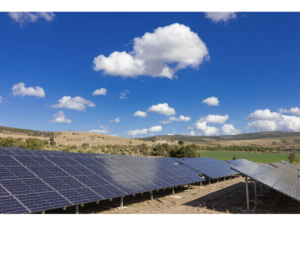
The way renewable energy projects are being evaluated is changing. Rather than focusing only on how much electricity can be generated over the course of a year, there is growing emphasis on how reliably different technologies can supply power throughout the day. As a result, wind is now expected to play a much more significant role in the energy mix. While solar power remains essential, its generation is naturally limited to daylight hours. Offshore wind, by contrast, can generate electricity both day and night, making it a more consistent source of renewable power. Africa has some of the world’s most promising offshore wind resources, creating an opportunity to strengthen energy security, attract investment, develop new industries and position the continent as a global clean energy hub.
Beyond energy
Africa’s offshore wind resources are spread across multiple countries along both coastlines, and many of the most promising sites extend beyond national waters. As a result, offshore wind is not an opportunity that can be developed effectively by countries acting independently. Offshore wind will require significant investment in generation, transmission infrastructure and export capacity, making regional collaboration essential.
Working together would not only enable countries to develop larger projects, but also improve their ability to attract investment and build the infrastructure needed to support both domestic energy supply and future electricity exports. It would also allow Africa to think beyond individual projects and begin developing a connected renewable energy industry that benefits the continent as a whole.
Developing an offshore wind industry also furthers demand for manufacturing, engineering, logistics and specialist technical services, which benefits local businesses, skilled employment and new industries. If African countries approach offshore wind as a regional opportunity rather than a series of national projects, they have the potential not only to strengthen energy security, but also to build industries that support long-term economic growth across the continent. Realising these benefits, however, will depend on having the skills and expertise required to build, operate and maintain offshore wind projects at scale
Building the skills to support growth
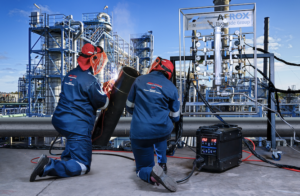
The challenge we currently face is that offshore wind projects require a very different set of skills to those used in most onshore renewable energy projects. Engineers, technicians and construction teams need specialist offshore training and internationally recognised certifications to work safely in marine environments. Those skills are still limited across much of Africa, which means experienced international professionals will continue to play an important role as the industry develops.
However, bringing in international expertise should be viewed as the starting point rather than the long-term solution. Every offshore wind project should create opportunities for local engineers and technicians to work alongside experienced specialists, gaining the practical knowledge and certifications needed to support future projects.
Building the required levels of experience will take time, but it critical to developing the specialist workforce needed to support a growing offshore wind industry. Developing local expertise will not only strengthen the industry’s long-term sustainability but also create opportunities for employment, local businesses, and future investment. Without a deliberate focus on skills transfer, Africa risks remaining dependent on imported expertise rather than developing the local skills needed to realise the full economic potential of offshore wind.
Making the most of the opportunity
Offshore wind has the potential to become much more than another source of renewable energy for Africa. If developed collaboratively, it can strengthen energy security, support new industries and create skilled employment across multiple countries. To realise the opportunity, regional collaboration and investment in shared infrastructure will be key, alongside a deliberate focus on developing and retaining local skills. As wind power becomes an increasingly important component of the global Just Transition, African countries need to work together to not only strengthen energy security, but also to develop new industries, build specialised skills and unlock long-term economic growth across the continent.
Editorial Contact– Workforce Staffing Middle East & Africa