Think Like A Startup: Revolutionising Industrial Substations
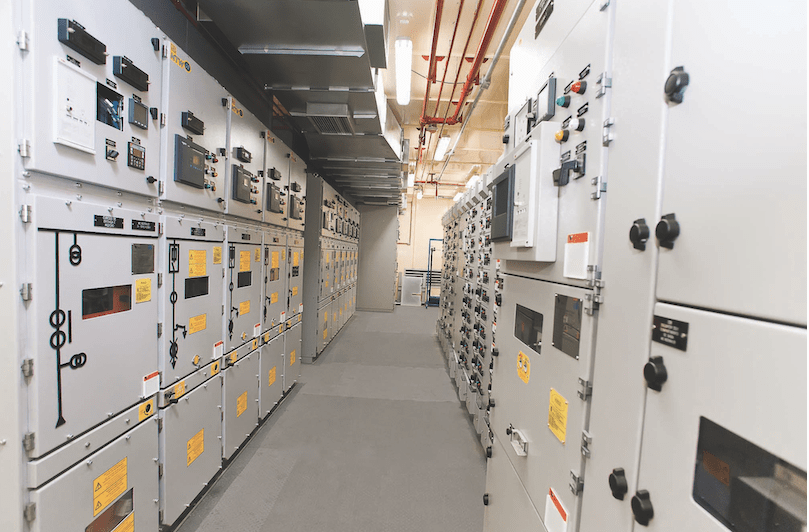
Delivering a new generation of substations requires getting into the trenches.
A mine’s multi-million modernisation project was on schedule—haul roads graded, crushers installed, and processing plant foundations poured. But the substation construction hit a bottleneck. Coordination gaps, procurement delays, and safety issues created delays. The weather didn’t play along. What was meant to happen last week became next month’s problem. Equipment remained unpowered, commissioning schedules slipped, and temporary measures strained budgets.
Things went well until the substation portion went wrong.
At mines, mills, and manufacturing facilities, substations are not afterthoughts. They form part of the site’s core infrastructure, managing the power supply to electrical equipment, such as the motors powering conveyors, pumps, and processing machinery.
Consequently, substations can cause late-stage construction bottlenecks. When multiple groups mix—from design houses and consulting engineers to product vendors and construction crews—there is an elevated risk for chaos. Differing technical standards, communication gaps, and procurement lag add to testing problems, misaligned risk appetites, and operational constraints.
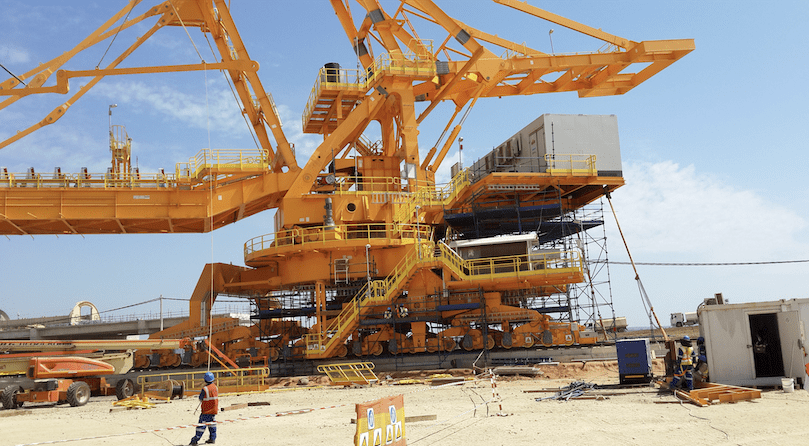
Pervin Gurie, director at WEG Africa, states that these problems often escalate during substation construction and commissioning.
“What normally happens on site is that the substation building is constructed out of brick and mortar, then you fit all the equipment in. You have to cable all the equipment and then test it. At that stage, there’s often a tremendous amount of time waiting, and frustrations start to build.”
Substations deployed faster and smarter
But this conventional approach has a better alternative. WEG Africa helped many projects avoid such headaches and bottlenecks. In one of their latest projects, the WEG e-houses group reduced substation construction, deployment, and commissioning down to under a year—not just for one substation but seven, including a control room.
They accomplished this feat with two important distinctions: a new type of substation and an entrepreneurial mindset towards their clients’ challenges.
These new substations, called e-houses, are modular and prefabricated buildings that WEG Africa builds at its manufacturing facilities in South Africa. E-houses are constructed and vetted end-to-end at the factory: designed, assembled, installed with equipment procured from WEG and other vendors, and tested to client and International Electrotechnical Commission benchmarks. The e-houses are then shipped to their final site, where they are deployed, connected, and verified in much shorter times than other substation models.
“Multiple contractors trying to all be in the same space can create complete chaos. E-houses essentially relieve the customer of that pressure. It’s a one-stop shop. We take on all the risks as one contractor for an organisation,” says Tyrone Willemse, senior manager of engineering projects and contracts at WEG Africa.
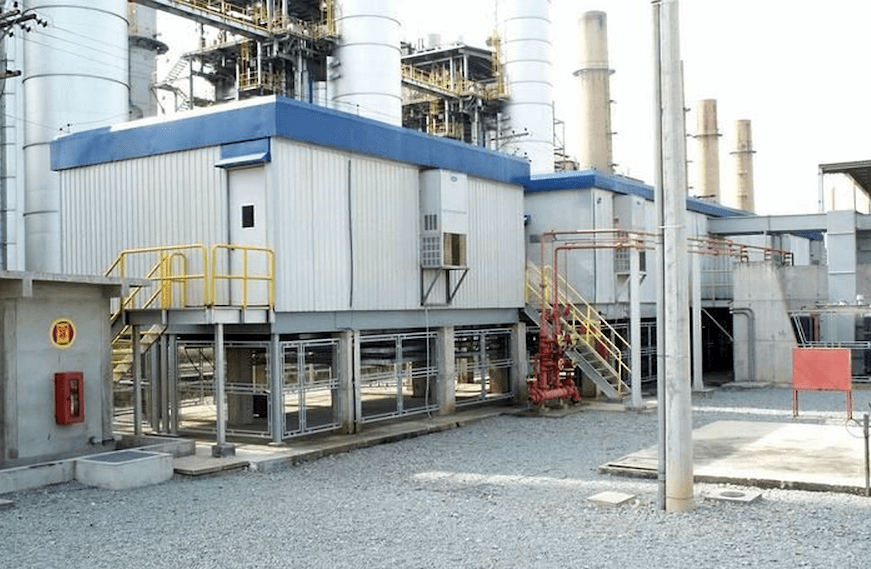
Avoiding chaos through a startup appetite
E-house projects rely on skilled and professional internal design, manufacturing, procurement, and logistical divisions. But building and delivering buildings are just one part of the process. Ultimate success rests on the e-house team’s appetite to get into the trenches with their clients.
“It’s important to have an entrepreneurial spirit when delivering new concepts like e-houses. We treat ourselves like a startup. We take nothing for granted. We are always learning, and there’s no job too big or small for any of us,” says Willemse.
A substation project’s merits coalesce long before the substation construction begins. The site owner and their teams, the consulting engineers, and the design houses have worked through the conceptualisation and feasibility stages, developed to support the main project to develop the site. Details such as design, standards, and procurement have been established.
It’s around this stage where the substation contractors become involved. They need to put on their clients’ caps and become involved. Professionalism and expertise carry the day, as there will be problems. Risk sensitivity, production priorities, local site realities, and scope creep all impact delivery. Success depends on how qualified and capable the substation crews are, and how well they can deal with such obstacles, Willemse explains.
“The client’s problems become our problems. We roll with the punches. We become a part of their team and act like we are part of their association. We sit in the same boardroom, we drink the same coffee—we just don’t go to the bathroom together!”
E-houses are a massive improvement over traditional substations, considerably reducing delays in construction, deployment, and testing. But there will always be challenges, which is why the people behind e-houses get into the trenches and embrace the entrepreneur’s mantra for problem solving, says Gurie.
“You’re only as good as your previous job—we never forget that.”
More info, contact WEG Africa